
Category: Multilingualism
-

How Multilingualism Enhances Student Problem-Solving
In a multilingual classroom, students like Mateo, Sofia, and Lin demonstrate how diverse language skills enhance problem-solving. Research shows that bilingual children outperform monolingual peers in attention and reasoning tasks. A culturally rich learning environment promotes cognitive flexibility, driving academic success and encouraging adaptive teaching methods that respect and incorporate…
-
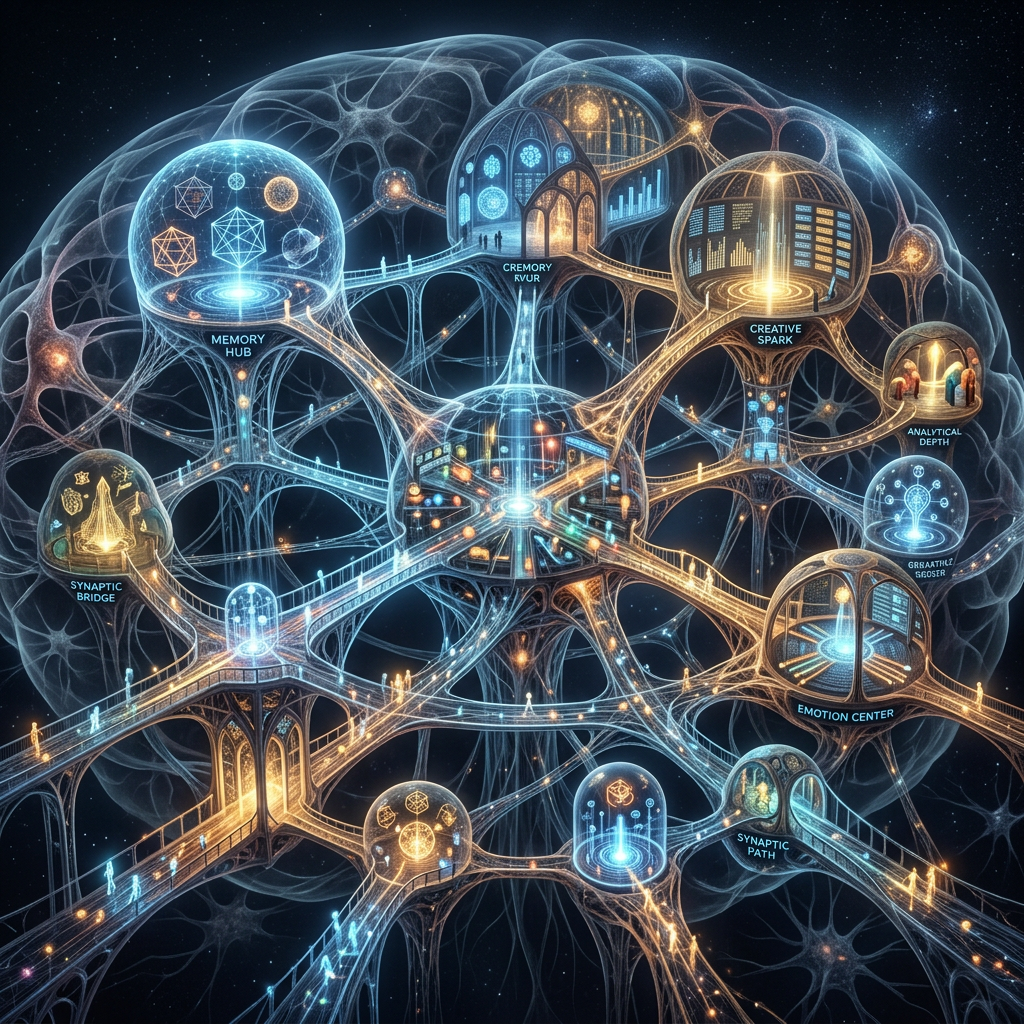
The Cognitive Benefits of Poetry in Child Development
The content discusses how poetry enhances early childhood literacy by engaging children’s cognitive architecture and promoting deeper inference skills. It explains that integrating poetic structures with narrative storytelling can optimize learning, support memory retention, and foster linguistic complexity. Research highlights poetry’s neurobiological benefits for children’s cognitive development and literacy success.
-

The Importance of Unstructured Play in Adolescence
Three seventh-graders engage in unstructured play during a rainy-day recess, mapping a fictional city, which showcases their cognitive skills in collaborative storytelling and world-building. Research highlights that eliminating such creative play may hinder cognitive development, emphasizing the need for educational structures that nurture autonomy and executive functioning in adolescents.
-

Sensory Storytelling: Engaging Learners through Hansel and Gretel
The analysis of Hansel and Gretel reveals how effective storytelling engages cognitive memory through sensory contrasts and structural elements. By exploring tactile, visual, and multimodal textures, educators can create immersive narratives that enhance literacy. This approach encourages students to leverage their linguistic backgrounds, fostering deeper connections to literature.
-
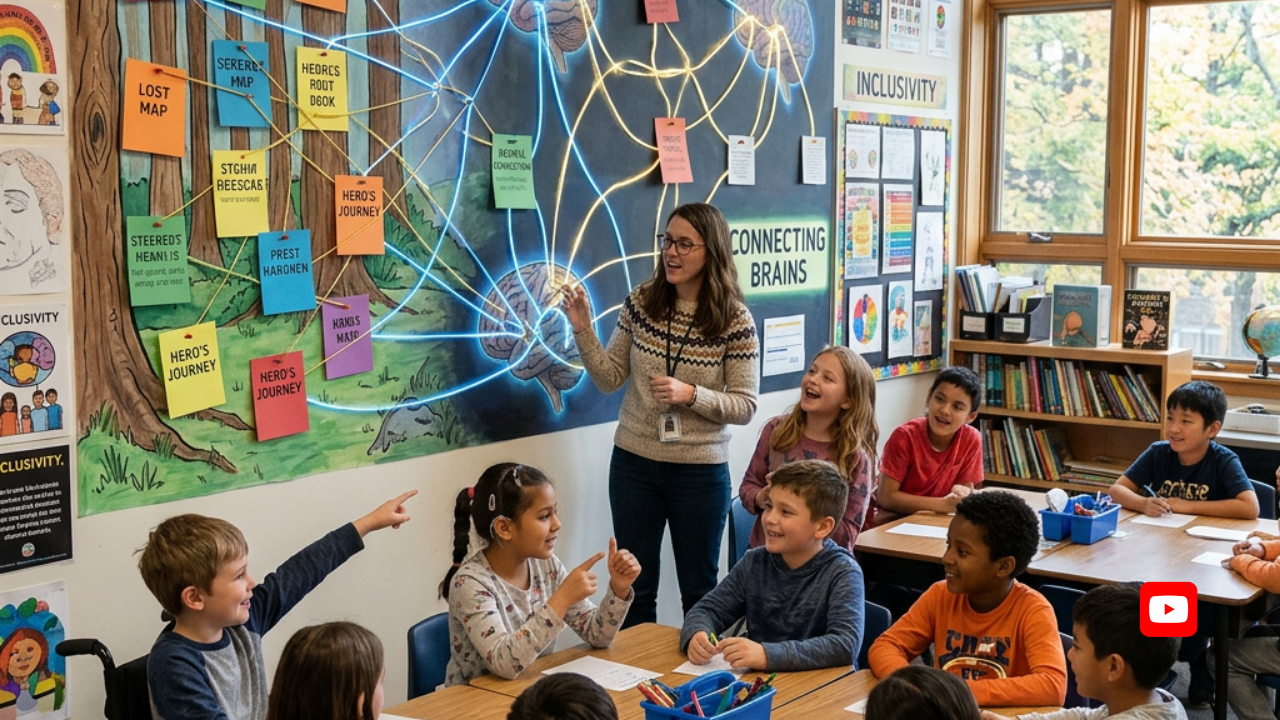
Inclusive Pedagogy: Enhancing Multiliteracy
Click here to listen to the blog post instead Abstract In an increasingly globalized educational landscape, the demographic reality of classrooms is fundamentally multilingual, yet traditional pedagogical frameworks often remain optimized for monolingual delivery. Current data from UNESCO indicates that approximately 40% of the global population lacks access to instructional…
-

Duality of Language: Standard vs. Vernacular
Language functions in a duality: as a standardized system for uniformity and as a dynamic medium shaped by its speakers. This tension affects literary analysis, where formal structures conflict with regional dialects. Research highlights that vernacular narratives enhance emotional engagement, proving critical for authentic storytelling and deeper reader empathy in…
-

Typography’s Impact on Reading and Eye Health
The article discusses how exposure to digital screens impacts reading mechanics and visual physiology, causing typographic fatigue when transitioning to print. It emphasizes the need for optimized typography in both digital and print formats to reduce ocular strain, suggesting specific size and spacing guidelines to enhance readability and retention for…
-

How Print Media Restructures Adult Brains
The text discusses the cognitive differences between engaging with video media versus print. While video offers a passive viewing experience, print requires active mental participation. Neuroscientific research shows that reading print enhances cognitive functions and promotes lasting neural changes. This highlights the enduring value of print in preserving knowledge and…
-

Epistemic Foundations of Literacy: Why Native-Language Storytelling Optimizes Cognitive Architecture
The educational approach prioritizing early immersion in global languages is questioned. Research indicates nurturing a connection to a learner’s native language fosters cognitive growth and emotional development. Storytelling in native languages enhances conceptual understanding and brain structure, leading to improved focus and cognitive flexibility, ultimately optimizing learning outcomes.
-

Bridging Humanities and STEM through Ancient Epics
Ancient epics reveal a blend of art and information architecture, showcasing the connection between humanities and STEM. By using rhythmic constraints and ciphers, ancient storytellers engaged audiences while enhancing cognitive resilience. Education should embrace linguistic relativity in cryptography, empowering students to appreciate the integration of language and mathematics in modern…
You must be logged in to post a comment.